- YETI Rambler 36 oz Bottle Review
- YETI Rambler Bottle Straw Cap Review
- Why It's Great for the Gym
- Health & Safety
- Who Should Skip It?
- Bottom Line
- Materials Comparison: Which Water Bottle Material Is Best?
- Which Material Should You Choose?
- Bottom Line

- Get to drinking faster with the Leakproof Chug Cap. It just takes a quick half-twist of the TripleHaul Handle to open an…
YETI Rambler 36 oz Bottle Review
The YETI Rambler 36 oz Bottle is built for people who need a rugged, high-performance water bottle that can keep up with busy days. Whether you’re heading to the gym, commuting to work, hiking a trail, or traveling, this bottle combines excellent insulation, durable stainless steel construction, and a leakproof chug cap for reliable everyday hydration.
With a 36-ounce (1.06L) capacity, it offers enough water for extended activities while remaining easier to carry than larger half-gallon jugs.
✅ Pros
- Excellent insulation – Keeps drinks cold for very long periods (even overnight) and maintains heat for hours
- Large capacity – 36oz size reduces need for frequent refills
- Highly durable – Resists dents and rough use
- Strong exterior finish – No paint chipping, long-lasting look
- Leakproof design – Reliable for carrying around
- Multiple lid options – Chug cap and straw lid both convenient
- Easy to carry – Handle helps with portability
- No sweating – Doesn’t create condensation or wet surfaces
- Stylish design – Visually appealing
- Versatile use – Good for work, gym, school, travel
❌Cons
- Relatively heavy – Especially when full
- Expensive – Higher price compared to regular bottles
- Not ideal for very hot drinks – Works better for warm rather than extremely hot liquids
Key Specifications
| Feature | Details |
|---|---|
| Product | YETI Rambler 36 oz Bottle |
| Brand | YETI |
| Capacity | 36 oz (1.06 L) |
| Material | 18/8 Kitchen-Grade Stainless Steel |
| Insulation | Double-Wall Vacuum Insulation |
| Cap | Leakproof Chug Cap |
| Handle | TripleHaul™ Carry Handle |
| Features | Leakproof, No Sweat Design, BPA-Free |
| Diameter | 3.75 inches |
| Weight | Approx. 140 g* (manufacturer listing) |
| Dishwasher Safe | Yes |
| Best For | Gym, Travel, Hiking, Office, Outdoor Activities |
YETI Rambler Bottle Straw Cap Review

- When you need some water (or whatever cold drink suits you), all you have to do is flip it open, take a sip, and close i…
- The Straw Cap is leakproof and easy to carry with the TripleHaul Handle
- The Straw Cap is fitted with a wide straw opening so you get more to drink with every sip
Key Specifications
| Feature | Details |
|---|---|
| Product | YETI Rambler Bottle Straw Cap |
| Brand | YETI |
| Material | BPA-Free Plastic |
| Color | Black |
| Compatibility | Fits 18 oz, 26 oz, 36 oz, 46 oz & 64 oz Rambler Bottles |
| Leakproof | Yes (when fully closed) |
| Handle | TripleHaul™ Carry Handle |
| Included | Straw Cap + 2 Straws |
| Best For | Cold beverages |
| Not Suitable For | Hot or carbonated drinks |
The YETI Rambler Bottle Straw Cap is a practical upgrade for anyone who prefers quick, one-handed hydration. Instead of unscrewing your bottle every time you need a drink, this cap lets you simply flip the straw open, take a sip, and close it securely. Whether you’re working out, hiking, commuting, or spending time outdoors, it makes drinking water faster and more convenient.
Designed to fit 18 oz, 26 oz, 36 oz, 46 oz, and 64 oz YETI Rambler Bottles, the Straw Cap is compatible with most of YETI’s popular bottle sizes, making it an easy accessory if you already own a Rambler bottle.
Why We Like It
Excellent Temperature Retention
The double-wall vacuum insulation keeps cold drinks chilled for hours, making it perfect for long gym sessions, outdoor adventures, and hot summer days.
Leakproof Chug Cap
The leakproof Chug Cap opens with a quick half twist, allowing you to drink quickly without removing the entire lid. It’s ideal when you’re exercising or constantly on the move.
Premium Stainless Steel Construction
Made from 18/8 kitchen-grade stainless steel, the bottle resists rust, dents, and corrosion while maintaining the natural taste of your water.
No Sweat Exterior
The insulated design prevents condensation from forming on the outside, keeping your hands, gym bag, and desk dry.
Comfortable TripleHaul™ Handle
The large integrated handle makes carrying the bottle easy, even when it’s completely full.
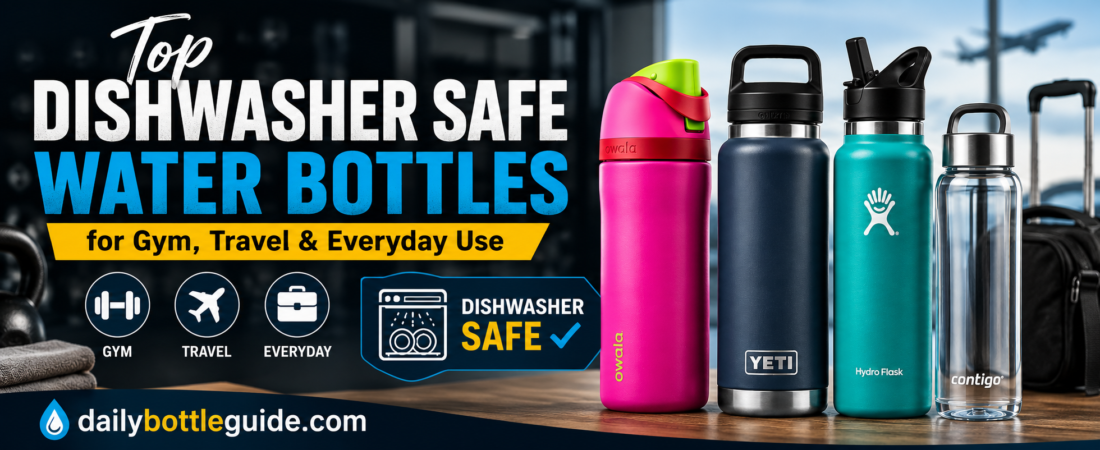
Dishwasher Safe
Cleaning is simple. The bottle and cap are dishwasher safe, helping maintain better hygiene with minimal effort.
Why It’s Great for the Gym
The 36 oz capacity provides enough water for most workouts without becoming overly heavy. Instead of constantly refilling a smaller bottle, you can stay focused on your training.
The quick-access Chug Cap lets you hydrate between sets with minimal interruption, while the insulated stainless steel construction keeps water refreshingly cold throughout your workout. Since the bottle doesn’t sweat, it won’t leave moisture on gym benches or inside your gym bag.
Health & Safety
The YETI Rambler 36 oz Bottle is designed with daily health and safety in mind.
- BPA-free materials reduce exposure to harmful chemicals.
- 18/8 food-grade stainless steel won’t retain flavors or odors.
- Dishwasher-safe construction makes thorough cleaning easy.
- Leakproof design helps keep the drinking spout cleaner during transport.
- Rust-resistant stainless steel is built for long-term daily use.
Who Should Skip It?
This bottle may not be the best choice if:
- You need a lightweight bottle for running.
- You primarily drink hot beverages through a straw.
- You want a budget-friendly water bottle.
- You need a bottle that fits every vehicle cup holder.
Bottom Line
The YETI Rambler 36 oz Bottle strikes an excellent balance between capacity, durability, and portability. Its leakproof Chug Cap, premium stainless steel construction, and impressive insulation make it one of the best all-around insulated bottles for everyday hydration. While it’s more expensive than many alternatives, the build quality and long-term durability help justify the investment for people who want a bottle they can rely on for years.
Materials Comparison: Which Water Bottle Material Is Best?
The material of a water bottle plays a major role in its durability, insulation, weight, taste retention, and overall safety. While there’s no one-size-fits-all option, understanding the strengths and weaknesses of each material can help you choose the right bottle for your lifestyle.
| Material | Durability | Insulation | Weight | Taste Neutral | Best For | Drawbacks |
|---|---|---|---|---|---|---|
| Stainless Steel | ⭐⭐⭐⭐⭐ | ⭐⭐⭐⭐⭐ | Medium | ⭐⭐⭐⭐⭐ | Gym, travel, hiking, office | Heavier and more expensive |
| Plastic (BPA-Free) | ⭐⭐⭐ | ⭐ | ⭐⭐⭐⭐⭐ | ⭐⭐ | Everyday use, school | Can retain odors, less durable |
| Glass | ⭐⭐ | ⭐ | ⭐ | ⭐⭐⭐⭐⭐ | Home, office | Fragile and heavy |
| Aluminum | ⭐⭐⭐⭐ | ⭐⭐ | ⭐⭐⭐⭐ | ⭐⭐⭐ | Cycling, casual use | Interior coating may wear over time |
| Titanium | ⭐⭐⭐⭐⭐ | ⭐⭐ | ⭐⭐⭐⭐ | ⭐⭐⭐⭐⭐ | Backpacking, premium outdoor use | Very expensive |
Stainless Steel
Stainless steel is widely considered the best all-around material for reusable water bottles. It is highly durable, naturally resistant to corrosion, and doesn’t retain flavors or odors. Most premium insulated bottles use double-wall stainless steel construction to keep drinks cold for up to 24 hours or hot for several hours.
✅ Pros
- Excellent durability
- Superior temperature retention
- Doesn’t absorb odors or flavors
- BPA-free
- Ideal for daily use
❌Cons
- Heavier than plastic
- Higher purchase price
Best For: Gym, office, hiking, travel, camping, and everyday hydration.
BPA-Free Plastic
Plastic bottles are lightweight, affordable, and easy to carry. They work well for short workouts, school, and casual everyday use. However, they generally don’t keep drinks cold for long and may absorb odors over time.
✅ Pros
- Lightweight
- Budget-friendly
- Easy to carry
- Available in many designs
❌Cons
- Poor insulation
- Can retain odors and stains
- Less durable than metal
Best For: School, short workouts, and everyday commuting.
Glass
Glass bottles provide one of the purest drinking experiences because they don’t affect the taste of water. They are also easy to clean and don’t absorb odors. Their main downside is that they can break if dropped.
✅ Pros
- Completely taste-neutral
- Easy to clean
- Doesn’t absorb flavors
- BPA-free
❌Cons
- Fragile
- Heavy
- Not suitable for rugged activities
Best For: Home, office desks, and indoor use.
Aluminum
Aluminum bottles are lighter than stainless steel and often feature an internal food-grade coating to prevent the metal from contacting the beverage directly. They are durable but usually don’t provide the same level of insulation as premium stainless steel bottles.
✅ Pros
- Lightweight
- Durable
- Affordable
❌Cons
- Interior coating can wear over time
- Usually offers moderate insulation
Best For: Cycling, commuting, and casual outdoor activities.
Titanium
Titanium is one of the strongest and lightest materials used in premium water bottles. It is naturally corrosion-resistant and doesn’t affect the taste of water. However, its high cost makes it a niche option for outdoor enthusiasts.
✅ Pros
- Extremely lightweight
- Exceptional strength
- Taste-neutral
- Corrosion-resistant
❌Cons
- Very expensive
- Limited product availability
Best For: Backpacking, mountaineering, and ultralight travel.
Which Material Should You Choose?
| Your Needs | Recommended Material |
|---|---|
| Gym & Fitness | Stainless Steel |
| Office | Stainless Steel or Glass |
| Daily Commute | Stainless Steel or BPA-Free Plastic |
| Hiking & Camping | Stainless Steel or Titanium |
| School & College | BPA-Free Plastic |
| Home Use | Glass or Stainless Steel |
| Long Travel | Stainless Steel |
Plastic Water Bottles: Are They Safe for Everyday Use?
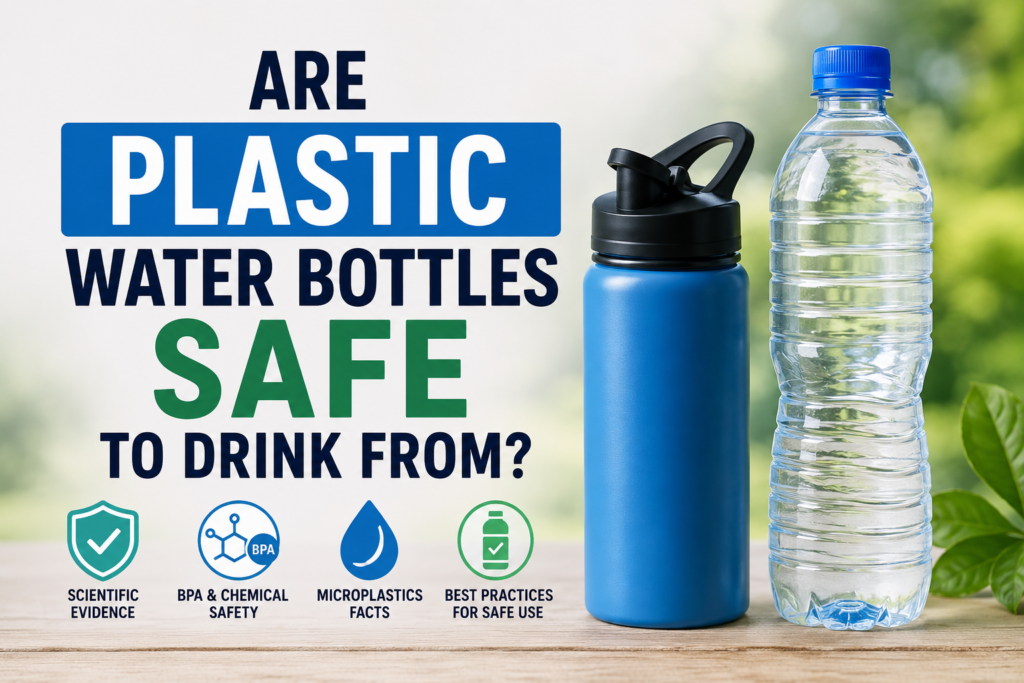
Plastic pollution causes larger plastics to break down into microplastics (≤5 mm) and even smaller nanoplastics (<1 μm), which are small enough to enter human cells. Scientists have already found plastic particles in human blood, lungs, intestines, placenta, and testes, but their health effects remain uncertain.
Researchers at Columbia University developed a new imaging technique that can detect extremely small plastic particles more accurately than previous methods. Using this technique, they analyzed three popular bottled water brands and found an average of about 240,000 plastic particles per liter, with around 90% being nanoplastics. The most common plastics detected were polyamide (nylon) and PET, the plastic commonly used to make water bottles.
The new technology will help scientists better understand human exposure to nanoplastics and support future research on tap water, air, and human tissues.
Many online claims suggest that drinking water from plastic bottles—especially bottles left in hot cars, frozen, or reused—can cause cancer. However, there is no scientific evidence supporting these claims. Health experts state that drinking water from plastic bottles is safe and does not increase the risk of cancer.
The article explains that many of these claims originated from false hoax emails that incorrectly cited reputable institutions, which later denied making such statements. It also clarifies that BPA, a chemical often mentioned in these myths, is considered safe for use in food and drink containers by food safety authorities.
The only practical concern is hygiene: reusable bottles should be cleaned regularly because bacteria and fungi can grow if they are not properly washed.
Are Plastic Water Bottles Safe? Here’s What You Should Know
Plastic water bottles are convenient, lightweight, and inexpensive, making them one of the most common choices for hydration. While health authorities such as the U.S. FDA consider approved food-grade plastic bottles safe for their intended use, growing research suggests that relying on disposable plastic bottles every day may not be the healthiest long-term habit.
For occasional use, plastic bottles are generally considered safe. However, frequent reuse, heat exposure, and wear can increase the release of tiny plastic particles and certain chemicals into the water.
The Short Answer
Using a plastic water bottle once in a while isn’t likely to cause harm. The bigger concern comes from daily, long-term use, especially when bottles are repeatedly refilled, exposed to heat, or become scratched and worn.
If you use a reusable bottle every day, many health experts recommend choosing food-grade stainless steel or glass instead.
Potential Health Concerns
1. Microplastics and Nanoplastics
Recent scientific studies have found that bottled water can contain thousands—even hundreds of thousands—of microscopic plastic particles. Many of these particles are so small that they cannot be seen with the naked eye.
Researchers are still investigating how long-term exposure affects human health. While the full impact remains uncertain, reducing unnecessary exposure is considered a sensible precaution.
2. Chemical Leaching
Most disposable water bottles are made from PET (Polyethylene Terephthalate). Although PET bottles are BPA-free, they may still release very small amounts of other chemicals over time.
The likelihood of chemical migration increases when bottles are:
- Left inside hot vehicles
- Exposed to direct sunlight
- Reused repeatedly
- Stored for long periods
Heat is one of the biggest factors that speeds up this process.
What Increases the Risk?
Several everyday habits can increase the amount of plastic particles or chemicals released into your drinking water.
Heat Exposure
High temperatures accelerate the breakdown of plastic.
Avoid leaving bottles:
- Inside hot cars
- Near heaters
- In direct sunlight
- Inside dishwashers (unless specifically labeled dishwasher safe)
3. Bacteria Build-Up
Disposable bottles aren’t designed for repeated use.
Each refill creates tiny scratches inside the plastic. These microscopic grooves can trap moisture and bacteria, making the bottle more difficult to clean thoroughly.
Without regular washing, bacteria and unpleasant odors may develop over time.
What Increases the Risk?
Heat Exposure
High temperatures accelerate the breakdown of plastic.
Avoid leaving bottles:
- Inside hot cars
- Near heaters
- In direct sunlight
- Inside dishwashers (unless specifically labeled dishwasher safe)
Physical Wear
Repeated squeezing, twisting the cap, dropping the bottle, or reusing single-use bottles can weaken the plastic and increase material shedding.
Long Storage Times
Water stored inside plastic containers for extended periods has more time to interact with the bottle’s material.
Freshly filled water generally has less opportunity for chemical migration.
Understanding Plastic Recycling Codes
Checking the recycling symbol on the bottom of a bottle can help you understand what type of plastic it contains.
| Recycling Code | Plastic Type | Recommendation |
|---|---|---|
| #1 (PET/PETE) | Polyethylene Terephthalate | Best for single use only. Avoid repeated reuse. |
| #2 (HDPE) | High-Density Polyethylene | Durable and generally considered one of the safer plastics. |
| #4 (LDPE) | Low-Density Polyethylene | Common in squeeze bottles and considered relatively safe. |
| #5 (PP) | Polypropylene | Heat-resistant and widely used in reusable food containers. |
| #3, #6, #7 | PVC, Polystyrene & Other Plastics | Generally best avoided for regular drinking bottles unless specifically certified food-safe. |
How to Reduce Your Exposure
If you regularly drink water throughout the day, these simple habits can help minimize unnecessary exposure.
✔ Switch to Stainless Steel or Glass
Reusable stainless steel and glass bottles don’t release plastic particles into your water and are excellent choices for daily hydration.
✔ Drink Filtered Tap Water
Using a quality water filter can help reduce impurities while also cutting down on single-use plastic waste.
✔ Don’t Reuse Disposable Bottles
Single-use bottles are designed for one-time use. Repeated refilling increases wear and makes proper cleaning more difficult.
✔ Store Bottles Properly
Keep bottled water in a cool, shaded place away from heat and direct sunlight.
Bottom Line
Plastic water bottles remain a practical option for travel, emergencies, and occasional use. However, if you’re drinking water every day, switching to a high-quality reusable bottle made from food-grade stainless steel or glass is generally the better long-term choice.
Not only are these materials more durable and easier to clean, but they also reduce exposure to unnecessary plastic particles while helping minimize environmental waste.