
- We got you parents! This 16-ounce, perfect for kids insulated stainless-steel water bottle with a FreeSip spout and push…
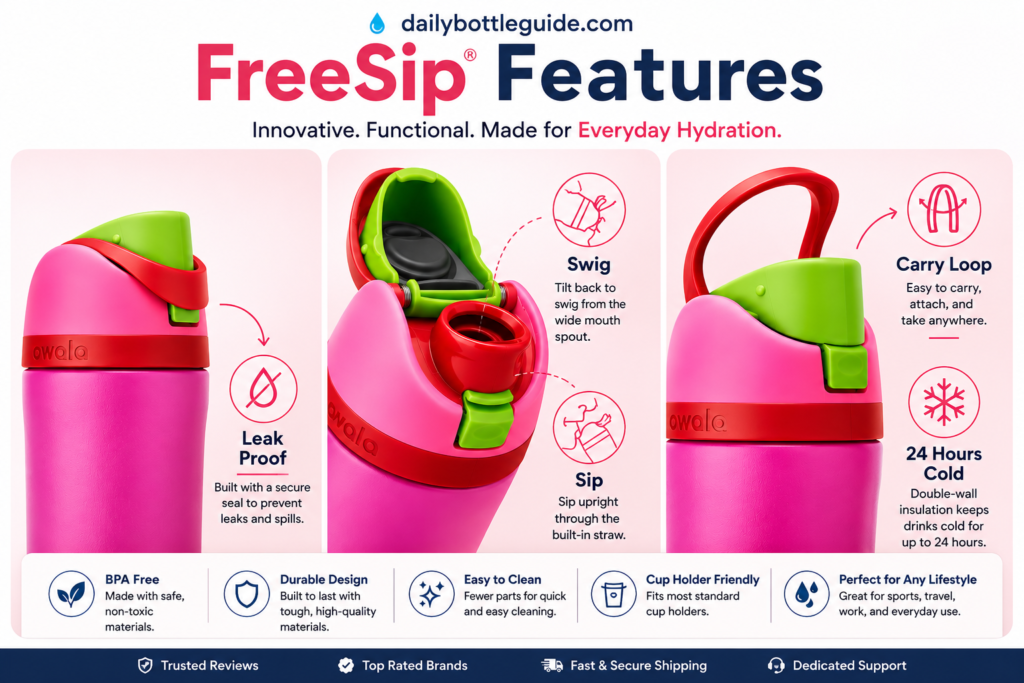
- Patented FreeSip spout designed for either sipping upright through the built-in straw or tilting back to swig from the s…
- Protective push-to-open lid keeps spout clean; convenient carry loop doubles as a lock
Hydration can impact your workout more than many supplements. Even slight dehydration can reduce strength, endurance, focus, and recovery. The problem? Most water bottles run empty before your workout is over, forcing you to stop and refill. A gallon water bottle solves that problem. With enough water for your entire session and insulation that keeps it cold for hours, it helps you stay focused on training—not searching for the nearest water fountain. If you’re serious about your fitness goals, a gallon water bottle is a simple upgrade that delivers real results.
Pros
- Excellent double-wall vacuum insulation keeps drinks cold for 10–24+ hours, with ice often lasting all day.
- Leak-proof locking lid helps prevent spills in backpacks, school bags, and vehicles.
- Unique dual-drinking design allows both straw sipping and chugging from the same lid.
- Wide-mouth opening accommodates large ice cubes and simplifies cleaning.
- Dishwasher-safe construction for easy maintenance.
- Durable stainless steel body resists dents, scratches, and paint chipping.
- Lightweight compared to many competing insulated bottles.
- Fits most car cup holders and backpack side pockets.
- Available in multiple sizes and attractive color options.
- Comfortable grip and one-handed operation.
- Replacement parts are generally available.
- Suitable for school, gym, travel, commuting, and daily hydration.
Cons
- Some users report lid durability issues, including broken buttons, springs, or flip-top mechanisms after extended use.
- A small number of customers experienced leaking when seals became worn, dirty, or damaged.
- Isolated reports of rust spots appearing inside the bottle after months of use.
- Rubber seals and gaskets require regular cleaning to prevent mold buildup.
- Customer service and warranty experiences appear inconsistent based on user feedback.
- Certain sizes may not fit all vehicle cup holders.
- Cold retention performance varies, with a few users reporting shorter cooling times than expected.
- Replacement lids may not always be available in matching colors.
What I Like
- Dual drinking system: The ability to sip through a straw or chug from the same lid is genuinely useful and repeatedly praised by users.
- Strong insulation: Many reviewers reported ice lasting 10–24+ hours, which is excellent for daily use, gym sessions, and travel.
- Leak-resistant locking lid: A common pain point with water bottles is leaks in bags, and many users specifically highlighted that this bottle solves that problem.
- Easy to clean: The wide mouth and dishwasher-safe design make maintenance easier than many competitors.
- Lightweight design: Several users preferred it over heavier insulated bottles while still getting good temperature retention.
- Durability of the bottle body: The stainless steel body appears to hold up well against drops, school use, and everyday wear.
What I Don’t Like
- Lid appears to be the weak point: The most consistent negative feedback involves broken buttons, springs, or flip-top mechanisms. When a lid fails, the bottle’s main functionality suffers.
- Gasket maintenance: Some users reported mold around the seals and gaskets. This isn’t unique to this bottle, but it does mean owners need to clean those areas regularly.
- Mixed warranty experiences: Several reviewers were disappointed with customer support and replacement-part policies.
- Potential long-term durability concerns with moving parts: The innovative lid design is great, but more moving parts generally mean more opportunities for wear and failure.
- Not perfect for every cup holder: Some sizes may be too wide for certain vehicles.
Owala Water Bottle Build Quality & Design Review
Owala water bottles offer a strong balance between durability, functionality, and everyday convenience. Built with 18/8 food-grade stainless steel and double-wall vacuum insulation, they provide excellent temperature retention while remaining lighter and easier to carry than many heavy-duty competitors. The bottles handle daily use well, resist minor dents, maintain cold temperatures for extended periods, and feature a durable powder-coated exterior designed to withstand everyday wear.
While the bottle body is highly reliable, the lid design includes multiple moving components, which adds convenience but also requires proper care and cleaning.
Core Material & Construction
Body Material:
Made from 18/8 food-grade, BPA-free stainless steel, Owala bottles help prevent unwanted metallic taste while offering long-term durability and rust resistance.
Double-Wall Vacuum Insulation:
The vacuum-insulated design reduces heat transfer, helping beverages stay cold for many hours while preventing condensation from forming on the outside of the bottle.
Exterior Finish:
The powder-coated matte finish provides a comfortable grip and helps protect against scratches, fading, and everyday bumps. Many users report that the coating holds up well even with regular school, office, gym, and travel use.
Weight vs Durability:
Compared with heavier premium outdoor bottles, Owala focuses on a lighter, more portable design. This makes it easier to carry daily while still maintaining good insulation performance.
Lid & Drinking System
FreeSip Spout Design:
The signature FreeSip lid combines two drinking options in one design. Users can drink through the built-in straw while holding the bottle upright or tilt it back for a traditional chug. This makes it convenient for workouts, commuting, and everyday hydration.
Push-Button Locking Lid:
The spring-loaded lid opens quickly with a simple button press, while the locking mechanism helps prevent accidental openings inside bags or backpacks.
Leak-Proof Seal:
Silicone gaskets create a tight seal that helps prevent leaks. However, because the lid contains multiple parts, regular cleaning is important to avoid buildup around the seals and straw areas.
Cleaning & Maintenance
Easy Cleaning:
The wide-mouth opening makes it easier to add ice cubes, wash the bottle, and reach inside for cleaning.
Dishwasher Compatibility:
Many components are dishwasher safe (especially the lid parts), although hand-washing the stainless steel body is often recommended to preserve the exterior finish over time.
Removable Parts:
The lid components can be separated for deeper cleaning, which helps maintain hygiene and prevents odors or residue buildup.
Overall Impression
Owala delivers a well-designed combination of insulation, portability, and innovative drinking features. It is especially suitable for people who want a lightweight insulated bottle with a convenient straw-and-chug system. The main consideration is that the advanced lid design requires more maintenance than a simple screw-cap bottle, but for many users, the added convenience makes it worthwhile.
Why Does Water Taste Different in Different Water Bottles?
Many people assume that water always tastes the same because it is just water. However, the bottle you choose can actually change your drinking experience. The material, design, temperature control, and cleanliness of a bottle all influence how fresh and pure your water tastes.
Plastic Water Bottles: Convenient but Can Affect Water Taste
Plastic bottles are widely used because they are lightweight, affordable, and easy to carry. However, they can sometimes affect the taste and freshness of your water, especially when they are exposed to heat or used for long periods.
Chemical Transfer and Plastic Taste
Some plastics may contain additives that help improve flexibility and durability. Over time, certain compounds can potentially migrate into the water, which may create a noticeable plastic-like taste or smell.
Even bottles labeled BPA-free may still contain other materials that can influence flavor. Heat and sunlight can speed up this process, which is why water left inside a plastic bottle in a hot car often develops an unpleasant taste or odor.
Scratches, Odors, and Bacteria Build-Up
Plastic surfaces can develop tiny scratches from daily use, cleaning, or dropping the bottle. These small marks can trap leftover particles and create areas where bacteria may grow if the bottle is not cleaned properly.
Over time, trapped odors from drinks like juice, coffee, or flavored beverages can remain in the plastic and affect the taste of plain water.
Long-Term Considerations
Plastic bottles can be practical for short-term use, but for people who want a cleaner taste and a longer-lasting reusable option, materials like stainless steel or glass are often preferred. Proper cleaning and avoiding heat exposure can help maintain better water quality.
Stainless Steel Bottles: Durable, Reliable, and Usually Taste Neutral
Stainless steel bottles are one of the most popular alternatives to plastic because they are durable, reusable, and designed for long-term use. High-quality stainless steel is generally considered a good choice for preserving water freshness because it does not easily absorb odors or flavors.
However, even stainless steel bottles can sometimes influence the taste of water depending on the quality of the material and how the bottle is maintained.
Slight Metallic Taste
Some users notice a mild metallic taste when drinking from a stainless steel bottle, especially when the bottle is brand new or when water has been stored inside for an extended period.
This can happen because stainless steel contains metals such as chromium and nickel. In high-quality food-grade stainless steel, this transfer is typically very minimal, but people with sensitive taste perception may notice a slight difference.
Lower-quality stainless steel bottles may be more likely to develop noticeable taste changes compared to premium food-grade materials.
Rust and Surface Damage
Although stainless steel is known for being corrosion-resistant, it is not completely impossible for rust to appear. Damage to the protective surface layer can occur from harsh cleaning chemicals, rough scrubbing, or abrasive materials.
If rust develops, it can affect both the appearance and taste of water, sometimes creating an unpleasant iron-like flavor.
How to Maintain a Fresh Taste
To keep a stainless steel bottle tasting clean:
- Choose 18/8 food-grade stainless steel
- Avoid harsh cleaning products
- Clean regularly, especially around lids and seals
- Allow the bottle to dry completely before storing
With proper care, a quality stainless steel bottle can provide years of fresh-tasting, odor-free hydration.
Glass Bottles: The Purest Taste Experience
Glass bottles are often considered one of the best options for people who want the cleanest and most natural-tasting water. Unlike many other materials, glass is non-reactive, meaning it does not easily absorb odors or transfer unwanted flavors into your drink.
Completely Neutral Material
Because glass does not interact with water, it allows you to taste the water exactly as it is. There is no plastic aftertaste, metallic note, or material-related flavor, making glass one of the most flavor-neutral bottle choices available.
This makes glass bottles especially appealing for people who are sensitive to changes in taste or who prefer a pure drinking experience.
Strengths and Limitations
Advantages:
- Does not absorb odors or flavors
- Maintains a clean, fresh water taste
- Free from concerns about plastic-related taste changes
- Easy to clean and does not hold residue easily
Disadvantages:
- Heavier than plastic and many stainless steel bottles
- Can crack or break if dropped
- Less suitable for intense outdoor activities unless protected with a silicone sleeve
Overall, glass bottles provide excellent taste quality and a premium drinking experience, but stainless steel is often preferred for users who need more durability and portability.
Aluminum Bottles: Lightweight but Dependent on Protective Coatings
Aluminum bottles are popular among travelers, athletes, and outdoor enthusiasts because they are lightweight, portable, and durable. They are easy to carry and often more affordable than premium stainless steel alternatives.
However, aluminum behaves differently from materials like glass or stainless steel, which is why most aluminum bottles require an internal protective layer.
Protective Inner Coating
Unlike stainless steel, aluminum can react with water and may create a metallic taste if it comes into direct contact with liquids. To prevent this, manufacturers typically add an inner lining, often made from materials such as epoxy resin or other protective coatings.
This coating acts as a barrier between the aluminum and your drink, helping preserve water quality and prevent unwanted flavors.
Possible Taste Changes Over Time
The quality and condition of the coating play an important role. If the inner lining becomes scratched, damaged, or begins to wear down, it may affect the taste of the water.
Regular use, rough cleaning methods, or dropping the bottle can gradually impact the protective layer.
Pros and Cons of Aluminum Bottles
Advantages:
- Very lightweight and easy to carry
- Durable for everyday use
- Good option for travel and outdoor activities
- Often more affordable than premium bottles
Disadvantages:
- Requires an internal coating for safe use
- Coating damage may affect taste
- Usually does not provide the same insulation performance as double-wall stainless steel bottles
Overall, aluminum bottles are a practical lightweight choice, but users who prioritize long-term durability, insulation, and a completely neutral taste often prefer stainless steel or glass options.
Water Quality Matters: Your Bottle Is Only Part of the Taste
When people think about water taste, they usually blame the bottle first. However, the water itself plays an equally important role. The source, mineral content, treatment process, temperature, and storage conditions can all change how water tastes.
Minerals and pH: Why Some Water Tastes Different
Not all water has the same composition. Natural and treated water contain different levels of minerals such as calcium, magnesium, and potassium, which influence the overall flavor.
- Hard water: Contains more minerals and may have a stronger or richer taste.
- Soft water: Contains fewer minerals and often tastes lighter.
- Higher pH water: May have a slightly smoother or alkaline taste.
- Lower pH water: Can sometimes feel slightly sharper or more acidic.
This is why two bottles filled from different water sources can taste completely different, even when stored in the same type of bottle.
Tap Water and Treatment Effects
Tap water quality varies depending on location and the treatment process. Some water supplies use disinfectants such as chlorine to keep water safe.
While chlorine levels are usually controlled, some people notice a slight chemical taste, especially right after filling a bottle.
Allowing water to sit for a short time or keeping it chilled can reduce noticeable flavors.
Pipes and Filtration Can Influence Taste
The journey of water before it reaches your bottle also matters. Old plumbing, mineral buildup, or pipe materials can sometimes affect flavor.
Many people use water filters to reduce unwanted tastes, odors, and improve the overall drinking experience.
Temperature Changes How We Perceive Taste
Temperature has a surprisingly strong effect on flavor.
Cold water often tastes cleaner and fresher because cooler temperatures reduce the intensity of certain odors and flavors. This is one reason insulated bottles are popular — they help maintain a refreshing temperature for longer.
Warm water, on the other hand, can make certain smells and flavors more noticeable because compounds become easier to detect.
Clean Bottle = Better Taste
Even high-quality bottles can develop unpleasant flavors if they are not cleaned regularly.
Moist environments inside bottles can allow:
- Bacteria buildup
- Residue accumulation
- Odor development
- Biofilm formation
A proper cleaning routine helps prevent these issues.
For best results:
- Wash your bottle regularly with soap and warm water
- Clean lids, straws, and seals carefully
- Use a bottle brush for hard-to-reach areas
- Let the bottle dry completely before storage
Avoid Using One Bottle for Everything
Using the same bottle for coffee, juice, sports drinks, or flavored beverages can leave behind odors and residues.
Some materials, especially plastic, can absorb these smells over time, which may affect the taste of plain water later.
A dedicated water bottle usually provides the freshest experience.
Storage Conditions Affect Freshness
Where you keep your bottle matters.
Heat and sunlight can negatively affect water quality by increasing odor transfer and accelerating changes in bottle materials.
Avoid leaving bottles:
- Inside hot cars
- In direct sunlight
- Near strong-smelling items
A cool, dark place is the best storage environment.
Fresh Water Always Tastes Better
The longer water sits in a bottle, the more likely it is to pick up flavors from the bottle, environment, or leftover residue.
For the best taste:
- Use clean water
- Keep it cold
- Store it properly
- Maintain your bottle regularly
Final Thoughts
The taste of water is created by many factors working together — the bottle material, water source, minerals, temperature, cleaning habits, and storage conditions.
Health Risks of Using the Wrong Water Bottle
1. Foodborne Illnesses (Bacterial Infections)
If a bottle isn’t cleaned regularly, bacteria, mold, and biofilm can grow inside lids, straws, and seals.
Possible symptoms:
- Stomach pain
- Diarrhea
- Nausea
- Vomiting
2. Mold Exposure
Bottles with hidden gaskets, straws, or hard-to-clean parts can develop mold if left damp.
Possible symptoms:
- Allergic reactions
- Coughing
- Nasal congestion
- Throat irritation
3. Chemical Exposure
Low-quality plastic bottles may release chemicals when exposed to heat or sunlight. The health effects depend on the specific chemical and level of exposure, but the main concern is long-term exposure rather than immediate illness.
4. Metal-Related Issues
If a stainless steel bottle becomes heavily corroded or rusted, it can affect water quality and taste. While small surface rust spots don’t typically cause disease, a damaged bottle should be replaced.
5. Dehydration
A poorly designed bottle that leaks, is difficult to carry, or doesn’t keep water appealing may discourage drinking enough water.
Dehydration can contribute to:
- Headaches
- Fatigue
- Poor concentration
- Reduced physical performance
How to Reduce Risks
- Choose BPA-free bottles from reputable brands.
- Prefer 18/8 food-grade stainless steel or high-quality glass for long-term use.
- Clean bottles, lids, straws, and seals regularly.
- Replace bottles that are cracked, heavily scratched, rusted, or damaged.
- Avoid leaving plastic bottles in hot cars or direct sunlight.